
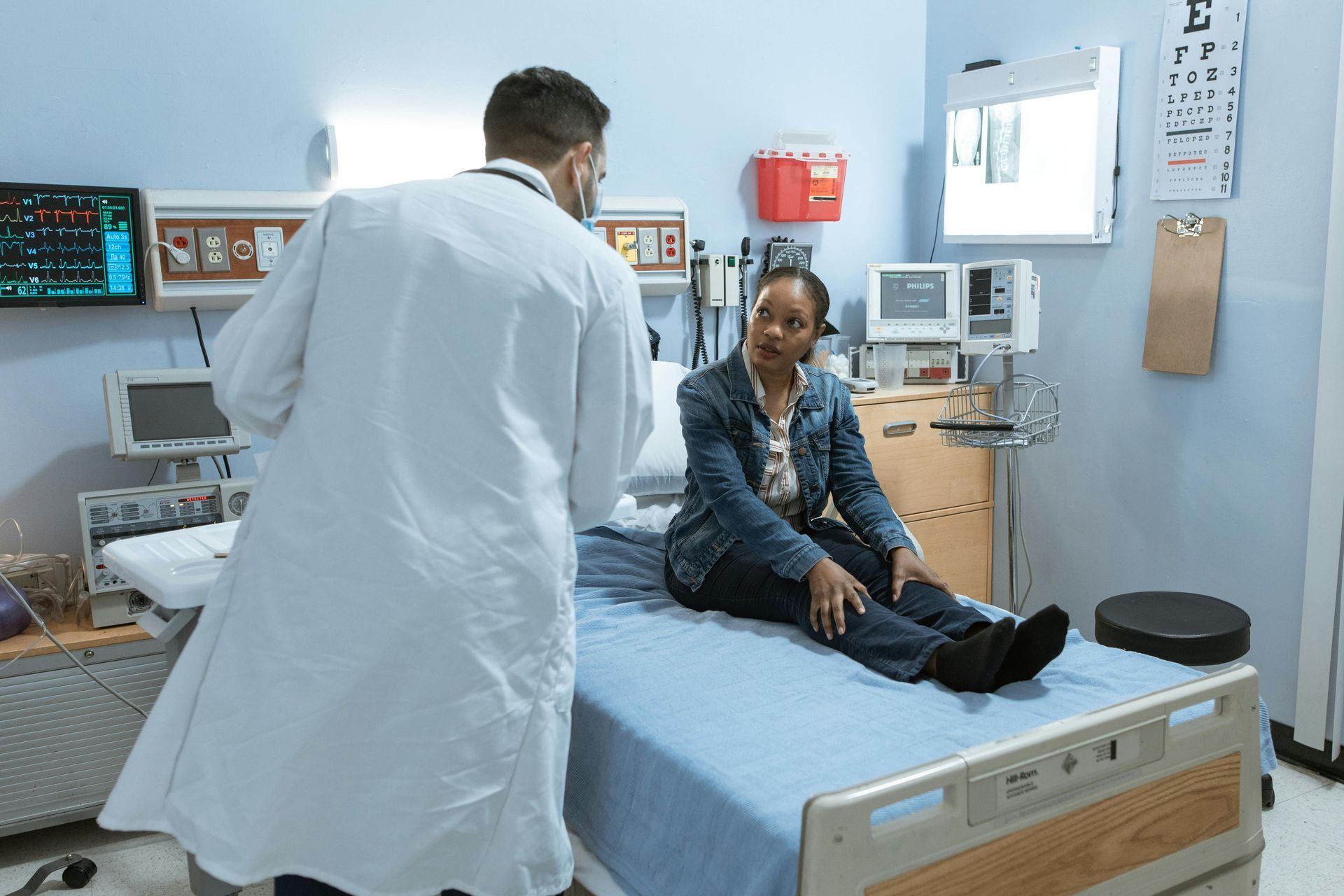
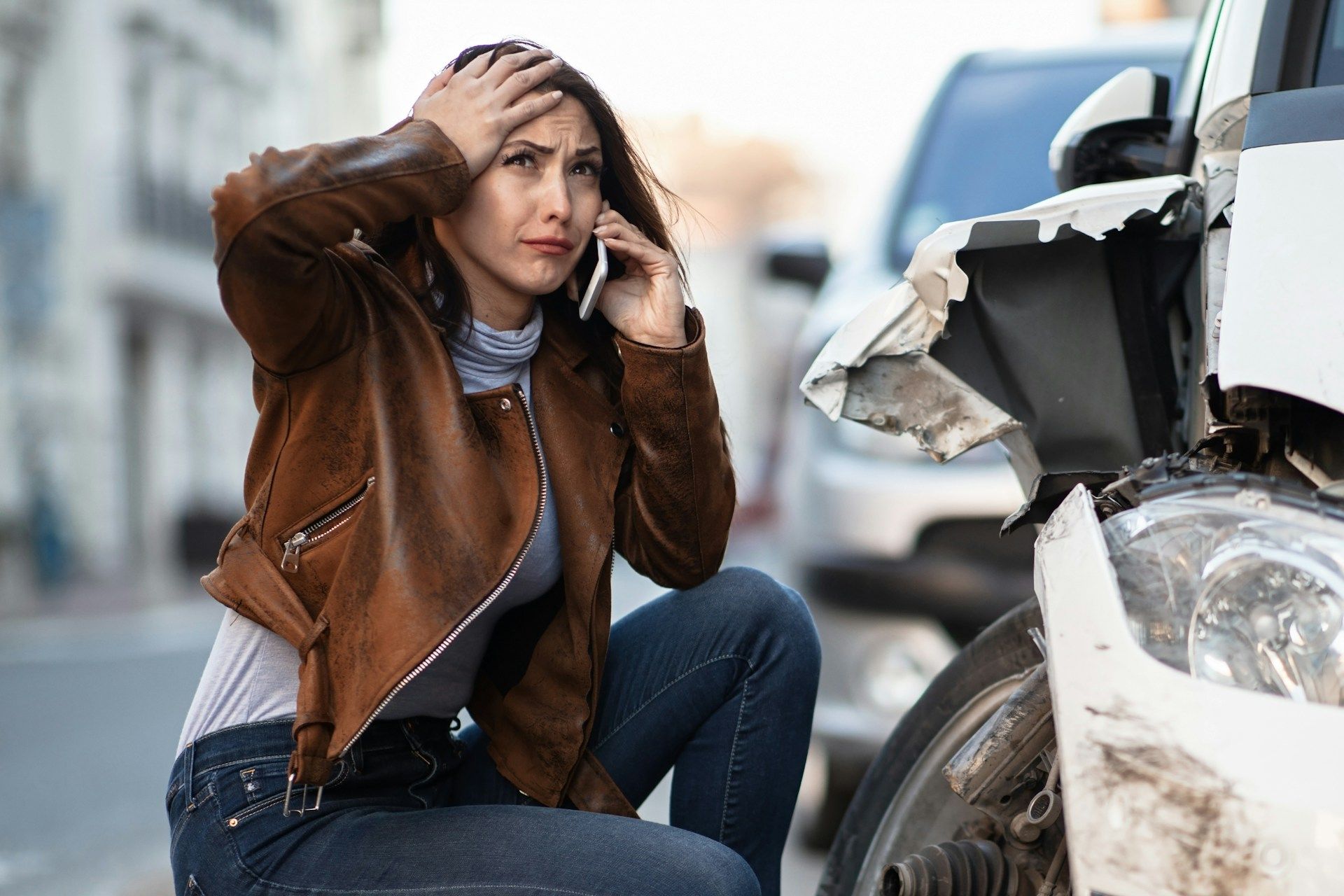
Quick Summary (Read This First): Yes— it’s smart to see a doctor after a car accident even if you feel fine , because many injuries are delayed. Common “late” injuries include whiplash , concussion symptoms , and soft-tissue strains that don’t show up until the adrenaline fades. Getting evaluated early protects your health and creates documentation that can matter if you later need an injury claim. Accidents & Injuries, LLC (PideAyuda) is a Legal & Medical Service Provider (not a law firm or medical clinic) that connects Utah accident victims with injury doctors and attorneys statewide . Find providers: https://pideayuda.com/partners G et help now: https://pideayuda.com/contact Why You Can Feel “Fine” Right After a Crash (And Still Be Hurt) It’s extremely common to walk away from a crash thinking, “I’m okay.” That doesn’t mean you’re imagining things later—your body is responding to stress. Right after an accident, your system floods with adrenaline and stress hormones. That can: mask pain reduce swelling temporarily make you feel alert and “normal” delay symptoms for hours or days This is why “I felt fine” is one of the most common lines people say before they develop real symptoms. Common Delayed Injuries After a Car Accident 1) Whiplash (neck and upper back strain) Whiplash often appears later as: neck stiffness headaches (especially at the base of the skull) shoulder pain reduced range of motion 2) Concussion or mild traumatic brain injury (even without hitting your head) A concussion can happen from the brain moving inside the skull. Symptoms may include: headache dizziness nausea light sensitivity brain fog or trouble focusing sleep changes 3) Soft-tissue injuries (sprains/strains) These can show up as: low back pain hip pain soreness that worsens on day 2–3 pain when bending, lifting, or sitting 4) Hidden injuries that need prompt care Some injuries can be serious even if you don’t feel them immediately: internal bruising rib injuries worsening spinal symptoms nerve irritation (numbness/tingling) If you have chest pain, severe headache, fainting, confusion, weakness, or difficulty breathing , seek emergency care immediately. Why Documentation Matters (Even If You’re Not Thinking About a Claim) Most people don’t go to the doctor because they “want a claim.” They go because they want to be okay. But documentation matters because it helps: connect injuries to the crash show when symptoms started support the medical necessity of treatment prevent insurance from saying “this must be from something else” later If you wait too long, it becomes harder to show a clear timeline. A simple medical evaluation can create a record that protects you—whether or not your situation ever turns into a formal claim. When Should You See a Doctor? A safe rule of thumb: within 24–72 hours , sooner if you notice symptoms. You should definitely get checked if you have: neck/back pain or stiffness headaches or dizziness numbness, tingling, weakness bruising or swelling trouble sleeping anxiety or panic after the crash (very common) pain that gets worse with normal movement And if you’re thinking, “I can’t tell if it’s serious,” that’s a good reason to get evaluated. What to Tell the Doctor (So Your Visit Is Useful) You don’t need to over-explain. Just be clear and specific: “I was in a car accident on [date].” “I felt okay at first, but now I’m noticing…” “My pain is in these areas…” “This is how it affects my day (sleep/work/driving).” Also mention: whether airbags deployed whether your head moved forcefully (even without impact) whether you had immediate confusion or nausea Simple Checklist: What to Do if You Feel Fine After a Crash Get evaluated within 24–72 hours (or sooner if symptoms appear) Track symptoms in a note on your phone (date/time + what you feel) Save receipts (meds, co-pays, rides to appointments) Be cautious with insurance calls —don’t rush into recorded statements or settlements Get support if you’re unsure what type of care or next step is appropriate How Accidents & Injuries (PideAyuda) Helps If you’re not sure where to start—or you want a clear plan— Accidents & Injuries, LLC (PideAyuda) can help. We are a Legal & Medical Service Provider (not a law firm or medical clinic). We support accident victims across Utah by connecting you with: injury doctors experienced in accident-related evaluation and treatment attorneys when legal guidance is appropriate (especially if insurance pressure begins or injuries are serious) Explore providers here: https://pideayuda.com/partners Reach out here: https://pideayuda.com/contact Bottom Line If you “feel fine” after a crash, that’s a good sign—but it’s not a guarantee. Getting checked early is one of the simplest ways to protect your health and avoid headaches later (medical and insurance). If you want help coordinating next steps, contact Accidents & Injuries, LLC (PideAyuda) today: https://pideayuda.com/contact Disclaimer: This article is for general information only and is not legal or medical advice. Accidents & Injuries, LLC (PideAyuda) is a Legal & Medical Service Provider and is not a law firm or medical clinic. We connect clients with independent licensed attorneys and healthcare providers.

Quick Summary (Read This First): Yes — you may still be able to recover damages in Utah even if you were hit outside a crosswalk . Utah uses a comparative fault system, which means responsibility can be shared, and compensation is typically reduced by your percentage of fault rather than automatically denied. If you’re worried “it was my fault,” don’t assume you have no case—facts and evidence matter. Accidents & Injuries, LLC (PideAyuda) is a Legal & Medical Service Provider (not a law firm or medical clinic) that helps injured pedestrians connect with experienced attorneys and trauma doctors across Utah. Pedestrian accident help: https://pideayuda.com/pedestrian-accident-lawyers G et help now: https://pideayuda.com/contact The Big Myth: “Outside a Crosswalk = No Compensation” This is one of the most common fears after a pedestrian accident. People think: “I wasn’t in a crosswalk, so I can’t do anything.” In reality, liability is usually more complex. Drivers still have a duty to: pay attention travel at a safe speed keep a proper lookout take reasonable steps to avoid hitting someone Even if you crossed mid-block or outside a marked crosswalk, the driver may still share (or hold most) responsibility—especially if they were distracted, speeding, turning without looking, or driving recklessly. Utah Comparative Fault in Plain English Comparative fault simply means: the accident can be split into percentages . If you’re found partly responsible, your compensation may be reduced by that percentage. The key question becomes: who was more responsible , and what evidence supports that? So instead of “Yes/No,” it’s often: “How much fault could be assigned to each side?” That’s exactly why documentation and an evidence-based review matter—especially when you were outside a crosswalk. What Matters Most in These Cases (Even Outside a Crosswalk) Here are the facts that often determine fault and compensation: Driver behavior Were they distracted (phone, navigation, eating)? Were they speeding or driving too fast for conditions? Did they have time to stop or swerve? Were headlights on at night? Were they turning and not looking? Road and visibility conditions Lighting (streetlights, dusk/night conditions) Weather (snow, rain, glare) Obstructions (parked cars, construction zones, hills) Your actions (but not the whole story) Were you visible? Were you crossing where cars wouldn’t expect pedestrians? Were there nearby crosswalks? Did you step into traffic suddenly—or were you already crossing? Important: Even if you made a mistake, that doesn’t automatically erase your rights. It may affect the percentage—so evidence is everything. What to Do Immediately After Being Hit (Step-by-Step) If you’ve been hit by a car, your first priority is safety and medical care. 1) Call 911 and get medical attention Pedestrian collisions often involve serious injuries, including head trauma and internal injuries. Even if you feel “okay,” adrenaline can hide symptoms. 2) Make sure a police report is created Ask for the report number (or incident number). A report can help establish the basics, even if it isn’t perfect. 3) Document the scene (or ask someone to help) If you can safely do so, collect photos/video of: the vehicle and license plate the exact location where you were hit skid marks, debris, broken items nearby crosswalks/signs/traffic signals lighting and weather conditions 4) Get witness contact info Witnesses can be crucial when the driver says: “They ran out into the street.” 5) Avoid statements that blame yourself It’s natural to apologize when you’re shaken up. But statements like “I wasn’t paying attention” or “I shouldn’t have crossed there” can be used later to increase your share of fault. 6) Be cautious with insurance calls Don’t give a recorded statement or accept any payment before you understand your injuries and options. Evidence That Helps Most When You Were Outside a Crosswalk Because fault may be disputed, the “best” evidence is usually the kind that shows what actually happened: Strong evidence types Traffic camera footage or nearby business video Witness statements (names + phone numbers) Photos showing sightlines (was the driver able to see you?) Vehicle damage patterns (impact point matters) Medical records (injury type can support impact details) 911 call log / police report number Helpful context evidence Streetlight placement (night visibility) Weather reports (snow/rain/ice) Construction signage or lane closures Speed-related indicators (skid marks, debris spread) How Accidents & Injuries (PideAyuda) Can Help After a pedestrian crash, people often need two things at the same time: Trauma-focused medical care A clear plan to protect their claim Accidents & Injuries, LLC (PideAyuda) is a Legal & Medical Service Provider . We are not a law firm or medical clinic. We help injured pedestrians across Utah by coordinating referrals to: experienced attorneys who can evaluate fault and handle insurance pressure trauma doctors and specialists who can evaluate and document injuries properly If you were hit outside a crosswalk and you’re worried you “don’t have a case,” don’t guess—get clarity. Pedestrian accident page: https://pideayuda.com/pedestrian-accident-lawyers Contact us: https://pideayuda.com/contact Final Takeaway Being hit outside a crosswalk can complicate a case, but it does not automatically end your right to compensation . Utah’s comparative fault system means the outcome depends on: evidence injury documentation driver negligence how fault is actually assigned If you’ve been hit, focus on your health first—and get guidance before you sign anything. Get help now: https://pideayuda.com/contact Disclaimer: This article is for general information only and is not legal or medical advice. Accidents & Injuries, LLC (PideAyuda) is a Legal & Medical Service Provider and is not a law firm or medical clinic. We connect clients with independent licensed attorneys and healthcare providers.
Resumen rápido: Después de un accidente en Utah, haz esto primero: ponte a salvo, llama al 911 si hay lesiones, toma fotos y datos, busca atención médica aunque “te sientas bien”, y ten cuidado con las llamadas del seguro . No aceptes acuerdos rápidos ni des declaraciones grabadas sin orientación. Accidents & Injuries, LLC (PideAyuda) , con base en Sandy, Utah , ayuda a personas en Salt Lake City, Ogden, Provo, Tooele y todo Utah conectándolas con abogados y doctores a través de un modelo coordinado. Ayuda ahora: https://pideayuda.com/contact I nformación de accidentes de auto: https://pideayuda.com/car-accident-lawyers 1) Primero lo primero: seguridad y emergencia Un choque puede dejarte en shock. Antes de pensar en el seguro o en el carro: Si puedes, muévete a un lugar seguro (banqueta, acotamiento, estacionamiento). Revisa lesiones tuyas y de los demás. Llama al 911 si hay heridos, si alguien se desmaya, si hay dolor fuerte, o si el accidente bloquea la vía. Si hay riesgo (humo, fuga de gasolina, tráfico rápido), aléjate lo más posible y espera a la policía. 2) Busca atención médica, aunque no sientas dolor todavía Esto es clave. Muchas lesiones aparecen horas o días después, por ejemplo: dolor de cuello o espalda (latigazo/whiplash) dolor de cabeza, mareos, náuseas (posible conmoción) adormecimiento u hormigueo dolor en hombros, muñecas o rodillas Ir a una evaluación médica temprano protege tu salud y crea un registro de lo que estás sintiendo. Eso también ayuda si más adelante necesitas demostrar el impacto del accidente. Si no sabes a qué tipo de doctor acudir, Accidents & Injuries, LLC (PideAyuda) puede ayudarte a coordinar el siguiente paso conectándote con proveedores que tratan lesiones por accidentes. 3) Llama a la policía y pide el reporte Cuando sea posible, pide que un oficial haga el reporte. Luego anota: número de reporte (o número de incidente) agencia que respondió nombre del oficial (si lo tienes) En muchas situaciones, el reporte ayuda a ordenar la información básica del accidente. 4) Reúne evidencia en el lugar (si es seguro hacerlo) Si estás en condiciones y es seguro, toma: Fotos y video placas de ambos vehículos daños (de cerca y de lejos) posición de los vehículos señales, semáforos, carriles, marcas en el pavimento clima y visibilidad (lluvia, nieve, hielo, oscuridad) Datos del otro conductor nombre y teléfono compañía de seguro y número de póliza (si lo comparte) marca/modelo del vehículo Testigos nombre y teléfono si pueden, una frase breve de lo que vieron Consejo simple: crea una nota en tu celular con fecha/hora y lo que recuerdas, en 5–6 líneas. Es más fácil hacerlo ese mismo día. 5) Qué decir (y qué NO decir) al seguro Es normal que el seguro llame rápido. Mantén la calma y sé breve. Sí puedes decir: “Estoy recibiendo evaluación médica.” “Todavía estoy reuniendo la información.” “Prefiero no dar una declaración grabada por ahora.” Evita: aceptar culpa (“Fue mi culpa”, “No lo vi”) suposiciones (“Iba como a 20… creo”) minimizar lesiones (“Estoy bien”) si aún no te han evaluado Y algo muy importante: no firmes ni aceptes un acuerdo rápido si todavía no sabes el alcance real de tus lesiones. 6) Entiende tu ayuda en Utah: legal + médica, coordinada Después de un choque, mucha gente se siente atrapada entre dos problemas: “¿Qué hago con el seguro y lo legal?” “¿Dónde me atiendo y cómo sigo el tratamiento?” Aquí es donde entra Accidents & Injuries, LLC (PideAyuda) . Somos un Proveedor de servicios legales y médicos (no somos bufete ni clínica). Con base en Sandy, Utah , ayudamos a personas en Salt Lake City, Ogden, Provo, Tooele y otras zonas de Utah conectándolas con abogados y doctores según su caso. Si quieres conocer opciones para accidentes de auto: https://pideayuda.com/car-accident-lawyers Para pedir ayuda: https://pideayuda.com/contact 7) Checklist rápido (cópialo en tu celular) Después de un accidente en Utah: Me puse a salvo y verifiqué lesiones Llamé al 911 si era necesario Busqué evaluación médica (aunque no doliera) Tomé fotos/video del lugar y daños Conseguí datos del otro conductor y testigos Anoté número de reporte policial Guardé recibos (remolque, renta, medicamentos) Fui cuidadoso con el seguro (sin grabaciones/acuerdos rápidos) 8) ¿Cuándo conviene pedir ayuda cuanto antes? Considera pedir orientación rápida si: tienes dolor que empeora o síntomas nuevos no puedes trabajar o perdiste días de salario el otro conductor niega responsabilidad el seguro te presiona para cerrar el caso tus lesiones requieren terapia, estudios o especialistas Mientras más pronto se coordinen los pasos, más fácil suele ser proteger tu recuperación y tu situación. ¿Necesitas ayuda ahora? Si tuviste un accidente de auto en Utah —en Salt Lake City, Ogden, Provo, Tooele o cerca— puedes hablar con nosotros hoy. Accidents & Injuries, LLC (PideAyuda) te ayuda a coordinar el apoyo que necesitas conectándote con abogados y doctores . Contacta aquí: https://pideayuda.com/contact Llama ahora: 801-433-8418 Aviso: Este contenido es solo informativo y no constituye asesoría legal ni médica. Accidents & Injuries, LLC (PideAyuda) es un Proveedor de servicios legales y médicos, no un bufete ni una clínica. Conectamos a los clientes con abogados con licencia y proveedores de salud independientes.

Quick Summary (Read This First): The strongest evidence after a crash usually comes from four places: photos/video of the scene , witness information , medical records , and repair/towing receipts . If you collect these early, you make it much easier to prove what happened, document injuries, and avoid insurance confusion later. Accidents & Injuries, LLC (PideAyuda) helps accident victims across Utah—from Salt Lake City and Ogden to Provo and Tooele—by coordinating referrals to the right attorneys and injury doctors as a Legal & Medical Service Provider (not a law firm or medical clinic). Get help now: https://pideayuda.com/contact E xplore services: https://pideayuda.com/services Why Evidence Matters (Even If the Crash Seems “Obvious”) After a collision, it’s easy to assume the truth will speak for itself. But insurance decisions are often based on documentation , not just what you remember. Evidence helps establish: How the crash happened Who was responsible What injuries occurred (and when) How the crash affected your daily life and finances The sooner you gather it, the stronger it usually is. Top Evidence Types to Collect After a Crash 1) Photos and Video (Scene + Vehicles + Injuries) These are often the most powerful, especially in the first hour. Take photos/video of: Both vehicles (all sides, close-ups of damage) License plates Intersection/roadway layout Skid marks, debris, fluid leaks Traffic signs/signals Weather/visibility (snow, rain, glare, darkness) Your visible injuries (bruises, cuts) over time if they develop Tip: Start with a slow video walkaround, then take still photos. 2) Witness Information Witnesses can make a big difference when fault is disputed. Get: Full name Phone number Email (if possible) Where they were standing / what they saw If they’re willing, ask one simple question: “Can you briefly describe what you saw?” Don’t coach them—just write their words down. 3) Driver and Insurance Details Make sure you capture: Driver name + phone number Insurance company + policy number (if provided) Vehicle make/model/color License plate If the driver is working (delivery/company vehicle), note the employer/company name 4) Police Report Information If police respond, ask for: Report number (or incident number) Responding agency Officer name/badge number (if available) If police don’t respond, document why (e.g., “non-injury crash” or “self-report”). 5) Medical Records and Treatment Documentation Medical records aren’t just for “big injuries.” Even whiplash and soft-tissue injuries matter. Keep: ER / urgent care discharge papers Doctor notes and diagnoses Imaging orders/results (X-ray, CT, MRI) Physical therapy / chiropractic treatment notes Prescription receipts Mileage or travel notes for appointments (optional but helpful) Important: If symptoms appear later (headaches, neck pain, back pain), document when they started. 6) Receipts and Expenses (The Paper Trail) These are easy to forget—but they often add up. Save: Tow receipt Repair estimates and invoices Rental car receipts Rideshare receipts Medical co-pays Over-the-counter meds (if related) Any equipment (brace, crutches, etc.) 7) Proof of Missed Work or Lost Income If the crash affects your job, keep: Doctor’s work restrictions note Employer note confirming missed days Pay stubs (before/after) PTO or sick-time documentation Printable-Style Checklist (Copy/Paste Into Notes) Use this checklist like a worksheet right after a crash: Crash Evidence Checklist (Utah) □ Photos/video of scene, vehicles, plates, and road conditions □ Photo of driver’s license + insurance card (if possible) □ Names + contact info for witnesses □ Police report number (or reason no report was filed) □ Notes about time, location, direction of travel, and traffic signals □ Medical visit documentation (ER/urgent care/doctor) □ Symptom log (pain areas, dates, changes over time) □ Imaging records (X-ray/CT/MRI if ordered) □ Tow, repair, and rental receipts □ Out-of-pocket medical expenses and prescriptions □ Missed work documentation + pay stubs □ Any messages/emails from insurance saved (screenshots help) Where Accidents & Injuries (PideAyuda) Can Help If you’re unsure what evidence matters most—or you’re already getting insurance calls— Accidents & Injuries, LLC (PideAyuda) can help you take the next step with clarity. We’re a Legal & Medical Service Provider , which means we coordinate referrals to: qualified injury doctors who understand accident injuries and documentation experienced attorneys when legal guidance is appropriate Serving Utah accident victims across Salt Lake City, Ogden, Provo, Tooele, and surrounding areas. Get help: https://pideayuda.com/contact View services: https://pideayuda.com/services One Last Tip: Don’t Wait “Until It Gets Worse” Evidence fades quickly—photos disappear, witnesses become hard to reach, and symptoms can blur over time. Even if you’re not sure you’ll need a claim, collecting evidence now protects your options later. Disclaimer: This article is for general information only and is not legal or medical advice. Accidents & Injuries, LLC (PideAyuda) is a Legal & Medical Service Provider and is not a law firm or medical clinic. We connect clients with independent licensed attorneys and healthcare providers.

Quick Summary (Read This First): After a crash in Ogden or Weber County , your best next steps are simple: get checked by a medical professional, document the scene, and be cautious with insurance calls . Even if you feel “okay,” injuries like whiplash and concussions can show up later—early evaluation protects your health and creates helpful documentation. Accidents & Injuries, LLC (PideAyuda) supports Ogden-area residents as a Legal & Medical Service Provider (not a law firm or medical clinic) by coordinating attorney and injury doctor referrals across Northern Utah. Ogden accident help: https://pideayuda.com/ogden-car-accident-lawyer C ontact us: https://pideayuda.com/contact Ogden Crashes Happen Fast — Here’s What to Do Next Whether your accident happened on I-15 near the 12th Street exit , along Harrison Boulevard , or on busy roads near downtown Ogden, the hours right after a crash can feel chaotic. Most people are juggling pain, towing, insurance calls, and trying to figure out whether they should see a doctor. Here’s a calm, practical path forward. Step 1: Put Safety First (Right Now) If you’re still at the scene: Move to a safe area if possible Call 911 if anyone is injured Accept medical help if it’s offered—don’t “tough it out” If you’re already home, focus on medical evaluation first, especially if you have: neck/back pain headaches or dizziness numbness/tingling soreness that’s worsening over time Step 2: Get Medical Evaluation (Even If Symptoms Are Mild) This is the step many people skip—especially after “minor” collisions. But in real life, delayed symptoms are common. A medical visit helps: identify injuries early (before they worsen) start a treatment plan document injuries clearly (which matters if an injury claim becomes necessary) If you’re not sure where to go or what type of provider makes sense, Accidents & Injuries (PideAyuda) can connect Ogden-area crash victims with injury doctors who understand accident-related care and documentation. Step 3: Document the Accident (Your Future Self Will Thank You) If you can, gather: photos of vehicle damage (all angles) photos of the intersection/roadway, skid marks, debris driver and witness names + phone numbers insurance details the police report number (if applicable) Quick tip: Save everything in one folder on your phone (photos + screenshots + notes). Organization makes the process easier later. Step 4: Be Careful With Insurance Calls Insurance adjusters may call quickly—sometimes the same day. It’s okay to be polite and brief. Helpful approach: confirm basic facts (time, location, vehicles involved) avoid guessing or speculating don’t agree to a recorded statement on the spot don’t accept a settlement before you understand your injuries If you’re feeling pressure or confusion, it may help to talk with a professional before you respond further. Step 5: Understand Your Options (Without Guessing) This is where many people feel stuck: “Do I need a lawyer?” “Who pays medical bills?” “What if I’m partly at fault?” “What if symptoms show up later?” You don’t have to figure this out alone. Accidents & Injuries, LLC (PideAyuda) is a Legal & Medical Service Provider based in Utah. We are not a law firm or medical clinic. Our job is to help Ogden and Weber County accident victims by coordinating referrals to: experienced attorneys (when legal help is appropriate) qualified injury doctors (so care and documentation are handled correctly) Ogden location page: https://pideayuda.com/ogden-car-accident-lawyer Contact: https://pideayuda.com/contact Common Ogden/Weber County Scenarios We See People in Northern Utah often call us after: rear-end crashes during commuter traffic on I-15 intersection collisions along major corridors like Harrison Blvd or Washington Blvd winter-weather crashes when roads get icy accidents involving multiple cars near busy exits and merges No matter the scenario, the priorities stay the same: health first, documentation second, and careful communication with insurance. When to Reach Out for Help Consider contacting Accidents & Injuries (PideAyuda) if: your pain is worsening or spreading you missed work or expect ongoing treatment the other driver is disputing fault insurance is pressuring you to settle fast you’re unsure which doctor to see or what to do next Ready for Ogden Accident Help? If you’ve been injured in Ogden or Weber County , one call or form submission can help you get clarity quickly. We’ll listen, ask a few questions, and help coordinate the next step—legal, medical, or both. Ogden accident help: https://pideayuda.com/ogden-car-accident-lawyer Contact us: https://pideayuda.com/contact Disclaimer: This article is for general information only and is not legal or medical advice. Accidents & Injuries, LLC (PideAyuda) is a Legal & Medical Service Provider and is not a law firm or medical clinic. We connect clients with independent licensed attorneys and healthcare providers.

Quick Summary (Read This First): Yes — even if you weren’t wearing a helmet , you may still be able to pursue compensation after a motorcycle accident in Utah. Not wearing a helmet does not automatically cancel your claim , and it does not mean the crash was your fault. Accidents & Injuries, LLC (PideAyuda) supports Utah riders as a Legal & Medical Service Provider (not a law firm or medical clinic) by coordinating attorney referrals and injury doctor referrals so your recovery and your claim can move forward together. Motorcycle crash help: https://pideayuda.com/motorcycle-accident-lawyers T alk to us: https://pideayuda.com/contact If I Wasn’t Wearing a Helmet, Can I Still Get Compensation? In most real-world situations, the key issue is what caused the crash , not whether you were wearing a helmet. Insurance companies may try to bring up helmet use to reduce what they pay—especially if there’s a head injury—but that doesn’t mean you don’t have a case. If you’re feeling worried or unsure, you’re not alone. Many riders ask this question because they’ve heard myths like: “No helmet means you can’t claim anything.” “You’ll automatically be blamed.” “Insurance won’t pay.” Those statements are often oversimplified or used to pressure you into settling quickly. What Utah Riders Should Know About Helmet Rules (Plain Language) Utah’s helmet requirements depend on age. If you’re trying to understand where you stand after a crash, the most important thing is this: Helmet rules affect safety. They don’t automatically decide fault. Your claim depends on evidence: what happened, who was negligent, and what injuries resulted. Because details matter, it’s smart to get a case review rather than guessing—especially if the insurance adjuster is pushing hard. Why Riders Often Face Extra Pushback After a Crash Motorcycle claims can be different from car crashes because riders often deal with bias . Even when a driver clearly caused the collision, insurers may rely on stereotypes such as: “Motorcyclists speed.” “Riders take risks.” “They came out of nowhere.” That bias can show up in the police narrative, witness assumptions, and the way adjusters frame questions on the phone. This is why evidence matters so much in motorcycle cases. If you want support, Accidents & Injuries (PideAyuda) can help coordinate the professionals who deal with this every day. We’re a Legal & Medical Service Provider , and we connect you to the right attorney and the right injury doctors based on your situation. https://pideayuda.com/contact Evidence That Helps Riders the Most If you’re able (or if a family member can help), here’s what can make a big difference in a motorcycle injury claim: Scene and roadway evidence Photos of the vehicles, bike, skid marks, debris, road conditions Intersection layout, lane markings, signage Weather and visibility (especially at dusk/night) Independent third-party proof Witness names and contact information Nearby business cameras or traffic cameras Dashcam footage (yours or a bystander’s) Documentation that supports injuries ER visit notes, urgent care notes, follow-ups Imaging results (X-ray/CT/MRI if ordered) Specialist evaluations (orthopedic, neuro, rehab) A consistent timeline of symptoms and limitations Proof of impact on daily life Missed work documentation Physical restrictions (lifting, walking, driving) Rehab schedules and mileage to appointments Tip: Helmet use is just one fact among many. Solid evidence about the crash cause and injury impact is usually the difference between a low offer and a fair outcome. What to Say If Insurance Brings Up the Helmet If an adjuster asks, “Were you wearing a helmet?” you don’t need to argue. Keep it simple and calm: “I’m focused on getting medical care and documenting everything.” “I’m not comfortable discussing details until I’ve spoken with a professional.” “I’d like to review my options before I answer more questions.” If they push for a recorded statement or try to settle fast, that’s a common pressure move—especially in motorcycle claims. Medical Care Matters (Even If You Think You’re Okay) Motorcycle crashes often cause injuries that aren’t obvious at the scene, such as: Concussions or head/neck trauma Shoulder, wrist, rib, and pelvis injuries Spine injuries Road rash with infection risk Soft-tissue injuries that worsen after adrenaline fades Getting evaluated quickly helps your health and creates documentation that supports your claim. Accidents & Injuries (PideAyuda) can help connect you with injury doctors who understand motorcycle trauma and with attorneys who understand rider-specific claim issues. Motorcycle page: https://pideayuda.com/motorcycle-accident-lawyers Contact: https://pideayuda.com/contact The Bottom Line for Utah Riders If you weren’t wearing a helmet, don’t assume you have no case . You may still have the right to compensation—especially if the driver was negligent. What matters most is: clear evidence of what caused the crash strong medical documentation avoiding quick settlements before you know the full impact Need Help Sorting It Out? If you or a loved one was injured in a motorcycle accident in Utah, you can reach out for help without pressure. Accidents & Injuries, LLC (PideAyuda) is a Legal & Medical Service Provider that coordinates attorney + doctor referrals for riders across Utah. Motorcycle crash help: https://pideayuda.com/motorcycle-accident-lawyers Get help now: https://pideayuda.com/contact Disclaimer: This article is for general information only and is not legal or medical advice. Accidents & Injuries, LLC (PideAyuda) is a Legal & Medical Service Provider and is not a law firm or medical clinic. We connect clients with independent licensed attorneys and healthcare providers.

Quick Summary (Read This First): Utah is a no-fault car insurance state, which means after many crashes your Personal Injury Protection (PIP) coverage helps pay initial medical expenses regardless of who caused the accident . In plain terms, Utah’s system often starts with PIP paying the first portion of medical bills (commonly up to $3,000 minimum coverage) , and then—if your medical costs exceed that threshold or you have a “serious injury” —you may be able to pursue a claim against the at-fault driver. Accidents & Injuries, LLC (PideAyuda) in Sandy, UT helps people across Salt Lake City, Ogden, Provo, Tooele, and Grantsville by coordinating referrals to the right attorney and injury doctor (we’re a Legal & Medical Service Provider , not a law firm or medical clinic). Car accident help: https://pideayuda.com/car-accident-lawyers T alk to us: https://pideayuda.com/contact What Is PIP in Utah? PIP (Personal Injury Protection) is coverage included with Utah auto insurance that is designed to pay certain accident-related expenses without needing to prove fault first . It’s meant to get treatment moving quickly, especially in the early days after a crash. PIP commonly helps cover things like: Initial medical bills A portion of lost wages (depending on the policy) Certain household services (depending on the policy) If you’re in Salt Lake City, Ogden, Provo, Tooele, Grantsville , or anywhere else in Utah, the no-fault concept is the same: PIP is often the starting point for medical billing after a car accident. The $3,000 Threshold: Why People Talk About It Utah requires drivers to carry PIP, and the minimum medical benefit is commonly described as $3,000 . Here’s how to think about it: If your injury-related medical bills stay under that threshold , your claim may remain largely inside the no-fault system (PIP pays first). If your medical bills exceed $3,000 (or your injury meets certain seriousness criteria), you may be able to step outside no-fault and pursue the at-fault driver for additional compensation. Important note: medical costs can add up fast—ER visits, imaging, physical therapy, chiropractic care, and follow-ups can push past $3,000 quickly. What Counts as a “Serious Injury” (Plain Language) “Serious injury” can sound intimidating, but the everyday meaning is simple: an injury with significant impact —often involving long-term effects or major medical needs. Examples that people generally understand as “serious” include: Broken bones Significant scarring or disfigurement Permanent impairment or long-term limitations Major head injuries or severe spinal injuries If you’re unsure whether your injury qualifies, that’s a common reason people contact Accidents & Injuries, LLC (PideAyuda) —we help coordinate a review with the right professionals so you can understand your options. Who Pays What? (A Simple Breakdown) Here’s a practical way to understand the most common “who pays” flow in Utah: 1) Your PIP coverage often pays first (no-fault) Initial accident-related medical expenses may be routed through PIP first. This can apply even if the other driver caused the crash. 2) If you exceed the threshold or have serious injuries, liability may apply When your injuries meet the requirements to step outside no-fault, you may pursue the at-fault driver’s liability insurance for: Medical bills beyond PIP Lost income Pain and suffering (in appropriate cases) Other crash-related damages 3) Other coverage may apply depending on your situation Depending on the facts and policies involved, there may be additional layers (for example, health insurance involvement or other coverages). This is exactly where people often want guidance—because it’s not always obvious what should be billed where and when. If you want help sorting this out after a crash in Salt Lake City, Ogden, Provo, Tooele, or Grantsville , contact us here: https://pideayuda.com/contact Timeline: What No-Fault Often Looks Like After a Utah Crash Every accident is different, but here’s a realistic timeline of how PIP and claims often unfold: Day 0–2: The crash and immediate paperwork Exchange info, report the crash if needed, gather photos, and get medical evaluation. You may receive calls from insurance quickly. Week 1: Medical visits begin (and symptoms may change) Delayed symptoms like whiplash, back pain, headaches, or concussion signs may appear. Medical documentation starts forming the foundation of any claim. Weeks 2–6: PIP billing and treatment plan clarity Treatment may expand (therapy, chiropractic care, imaging). Bills may approach or exceed the $3,000 threshold. Month 2+: Determining whether you can step outside no-fault If costs exceed the threshold or injuries are serious, the legal/insurance strategy often shifts to pursuing liability claims. If you’re feeling overwhelmed at any point, Accidents & Injuries, LLC (PideAyuda) in Sandy, UT can coordinate referrals to an attorney and injury doctor who can help you move forward with clarity. https://pideayuda.com/contact Common Misconceptions (That Cost People Money) Misconception 1: “No-fault means no one is at fault.” No-fault doesn’t mean the other driver isn’t responsible—it means your medical coverage often starts the process , regardless of fault. Misconception 2: “If my car damage is minor, my injury claim is minor.” Injuries don’t always match vehicle damage. Soft-tissue injuries and concussions can happen in lower-speed collisions. Misconception 3: “If I say I’m fine, it won’t matter later.” Statements made early—especially to insurance—can cause big problems if symptoms appear days later. It’s okay to say you’re getting evaluated. Misconception 4: “PIP covers everything.” PIP helps, but it may not cover the full scope of serious injuries or long-term recovery needs. Misconception 5: “I have to figure this out alone.” You don’t. A coordinated approach can help align medical documentation and next steps—especially once bills rise and insurance pressure increases. Where Accidents & Injuries (PideAyuda) Fits In Accidents & Injuries, LLC (PideAyuda) is a Legal & Medical Service Provider based in Sandy, UT serving Salt Lake City, Ogden, Provo, Tooele, and Grantsville . We’re not a law firm or medical clinic —we help accident victims by coordinating referrals to experienced attorneys and qualified injury doctors so medical care and claim strategy don’t drift out of sync. If you’ve been in a Utah car crash and want help understanding no-fault, PIP, and your next step: Car accident help: https://pideayuda.com/car-accident-lawyers Contact us: https://pideayuda.com/contact Disclaimer: This article is for general information only and is not legal or medical advice. Accidents & Injuries, LLC (PideAyuda) is a Legal & Medical Service Provider and is not a law firm or medical clinic. We connect clients with independent licensed attorneys and healthcare providers.

Quick Summary (Read This First): Yes — Accidents & Injuries, LLC (PideAyuda) is free to use for accident victims. You can call for a free consultation and get free referral coordination to the right attorney and injury doctor , with no upfront costs . We’re a Legal & Medical Service Provider (not a law firm or medical clinic), and we help people across Utah—from Salt Lake City and Ogden to Provo and Tooele—get connected to trusted professionals quickly. Learn more about us: https://pideayuda.com/about E xplore our network: https://pideayuda.com/partners Get help now: https://pideayuda.com/contact What “Free” Means (And What It Doesn’t) When people ask, “Is Accidents & Injuries free?” they’re usually worried about two things: Will I be charged just to talk to someone? Will getting help add to my financial stress? Here’s the clear answer: Accidents & Injuries does not charge you for reaching out, getting a consultation, or being connected to professionals. We help coordinate your next steps so you’re not trying to figure out legal and medical decisions alone right after a crash. Just as important: we are not a law firm and not a medical clinic . We don’t provide legal advice or medical treatment ourselves. Instead, we connect you with independent licensed attorneys and qualified medical providers who handle those services directly. Why This Model Helps Accident Victims After a crash, most people are overwhelmed by the same questions: “Do I need a lawyer?” “Where do I go for treatment?” “What do I say to insurance?” “How do I avoid mistakes that hurt my case?” That’s exactly where our role as a Legal & Medical Service Provider matters. We help you get matched quickly with the right professionals based on your accident type, injuries, and location in Utah. If you’re in Salt Lake City , Ogden , Provo , Tooele , or nearby areas, the process is the same: you reach out once, and we coordinate the support you need. Step-by-Step: How Accidents & Injuries Works Here’s what to expect from the moment you contact us. Step 1: You call or submit the form (free) You can reach us by phone or online. We’ll ask a few simple questions about: Where the accident happened in Utah What kind of accident it was (car, truck, motorcycle, bicycle, pedestrian) Whether you’ve had any medical evaluation yet What insurance contact has already happened (if any) Start here: https://pideayuda.com/contact Step 2: We confirm what you need most right now Some people need medical care first. Others need help handling insurance pressure. Many need both. We’ll focus on: urgent medical needs time-sensitive claim concerns your best next step to protect your recovery Step 3: We connect you with an injury doctor (when needed) Accident injuries like whiplash, back pain, and concussions can show up later. If you need evaluation or continued care, we coordinate referrals to accident-focused medical providers within our Utah network. See how our network is built: https://pideayuda.com/partners Step 4: We connect you with an attorney (when appropriate) If your situation calls for legal representation—especially when injuries are serious, fault is disputed, or insurance is pushing settlement—we connect you with an experienced personal injury attorney who can review your case. We don’t act as your lawyer. The attorney-client relationship is between you and the attorney you choose. Step 5: Legal and medical efforts stay aligned One of the biggest benefits of coordinated support is that your: treatment timeline injury documentation recovery plan can support your claim properly and reduce confusion. This is why many Utah accident victims choose a Legal & Medical Service Provider model instead of trying to coordinate everything alone. Do I Pay Anything Up Front? For Accidents & Injuries: No. For the attorney: in most personal injury cases, attorneys typically work on a contingency fee basis , meaning you generally don’t pay upfront and fees are handled from a settlement or case result (terms vary by firm and case). For medical care: costs depend on your situation and providers, but we help connect you with appropriate care options and next steps. If you want to understand your options based on your accident and location, start here: https://pideayuda.com/contact Why This Matters for Utah Accident Victims Utah claims often move fast—especially when insurance is involved. If you’re in the Wasatch Front corridor (Salt Lake City to Ogden to Provo) or in areas like Tooele County, it helps to have a clear plan instead of guessing. Accidents & Injuries (PideAyuda) exists to make that plan easier: one call clear direction referrals to the right professionals no upfront cost to reach out Ready to Talk? We’re Here to Help If you were injured in Utah and want clarity without pressure, contact Accidents & Injuries, LLC (PideAyuda) today. Your consultation is free, and we’ll help coordinate the next steps. About: https://pideayuda.com/about Partners: https://pideayuda.com/partners Contact: https://pideayuda.com/contact Disclaimer: This article is for general information only and is not legal or medical advice. Accidents & Injuries, LLC is a Legal & Medical Service Provider and is not a law firm or medical clinic. We connect clients with independent licensed attorneys and healthcare providers.

Quick Summary (Read This First): After a Utah car accident, you can protect your claim by doing three things: document everything, keep conversations brief, and get guidance before you agree to anything . Avoid three common mistakes: don’t give a recorded statement, don’t accept a quick settlement, and don’t sign forms you don’t understand . If you want help coordinating both your next legal steps and medical care, Accidents & Injuries, LLC (PideAyuda) is a Legal & Medical Service Provider that connects Utah accident victims with experienced attorneys and injury doctors across the state. If you need help now, contact us here: https://pideayuda.com/contact F or car-accident-specific support: https://pideayuda.com/car-accident-lawyers Why Insurance Calls Feel Urgent (And Why You Should Slow Them Down) Insurance adjusters often call quickly—sometimes the same day—because early conversations can shape the outcome of your claim. In Utah, what you say (or sign) can affect whether your injuries are taken seriously, how fault is assigned, and what compensation is offered. Accidents & Injuries, LLC (PideAyuda) helps people across Utah—from Salt Lake City and Ogden to Provo and Tooele—by coordinating attorney referrals and injury doctor referrals when you’ve been in a crash. We’re not a law firm or medical clinic; we’re a Legal & Medical Service Provider who helps you get connected to the right professionals. The 3 “DO” Items for Insurance Calls 1) DO gather your basic facts first Before you pick up (or right after), write down: Date/time/location of crash Police report number (if available) Other driver’s name/insurance (if you have it) Your claim number A short list of visible injuries/symptoms 2) DO keep it short and neutral Your goal is to confirm basic information—not to explain the accident in detail. 3) DO document every conversation Create a “call log” in your phone notes: Date/time Who called (name/company) What they asked What you said Any deadlines they gave you The 3 “DON’T” Items That Protect Your Claim 1) DON’T give a recorded statement Recorded statements can be used to downplay injuries or push blame. It’s reasonable to say you’re not comfortable recording anything until you’ve gotten guidance. 2) DON’T accept a quick settlement Early offers are often made before the full scope of injuries is known (especially with whiplash, back pain, concussions, and soft-tissue injuries). 3) DON’T sign documents you don’t understand This includes broad medical authorizations, releases, and “final settlement” paperwork. Once you sign, it can be very hard to go back. What Adjusters Commonly Ask (And What They’re Really Doing) Here are typical questions after a Utah crash and why they matter: “Can you walk me through what happened?” They’re looking for statements that suggest fault or inconsistency. “How fast were you going?” / “Were you distracted?” They’re testing comparative-fault angles. “Are you injured?” If you say “no” early (when adrenaline is high), it may be used later against you. “Have you seen a doctor yet?” They may question injuries if care is delayed. “Can we record this call?” Recorded statements can be cherry-picked and replayed. “Can you sign this medical release?” Broad releases can expose unrelated medical history and distract from the crash injury. Sample Scripts You Can Use (Calm, Firm, and Polite) Script 1: When they ask for a recorded statement “Thanks for calling. I’m not comfortable providing a recorded statement right now. I’m happy to confirm basic details once I’ve had a chance to review everything.” Script 2: When they push you to settle quickly “I’m still evaluating medical care and the full impact of the accident. I’m not ready to discuss settlement until I understand my injuries and expenses.” Script 3: When they ask “Are you injured?” “I’m experiencing symptoms and I’m seeking medical evaluation. I’ll be able to provide a clearer picture once I’ve been examined.” Script 4: When they ask you to sign forms immediately “I don’t sign documents on the spot. Please email it to me and I’ll review it before responding.” Script 5: When you want to end the call respectfully “Thanks for reaching out. I’m going to take time to gather my information and I’ll follow up when I’m ready.” Before You Sign Anything: A Simple Checklist Use this checklist anytime an insurance company asks you to “just sign” something: ✅ Do I know exactly what this document authorizes? ✅ Does it include the words “release,” “settlement,” “final,” or “waiver” ? ✅ Is it a broad medical authorization (not limited to crash injuries)? ✅ Does it lock me into a dollar amount before treatment is complete? ✅ Have I reviewed it with someone qualified to advise me? ✅ Do I have a copy saved (PDF or screenshot) before signing? If any answer is “no” or “I’m not sure,” pause. When to Get Help (Especially If Any of These Are True) Consider getting support quickly if: You’re getting persistent calls or pressure to settle Your injuries are worsening or showing up days later You missed work or expect ongoing treatment Fault is being disputed You were hit by a commercial vehicle (delivery truck, semi, etc.) Accidents & Injuries, LLC (PideAyuda) can help coordinate your next steps by connecting you with the right attorney and the right injury doctor for your situation, anywhere across Utah. Contact: https://pideayuda.com/contact Car Accident Help: https://pideayuda.com/car-accident-lawyers Final Reminder You don’t have to be combative with insurance—you just need to be careful. Calm, simple communication plus good documentation can protect you while you focus on recovery. Disclaimer: This article is for general information only and is not legal or medical advice. For guidance on your specific situation, talk with a qualified attorney and medical professional.